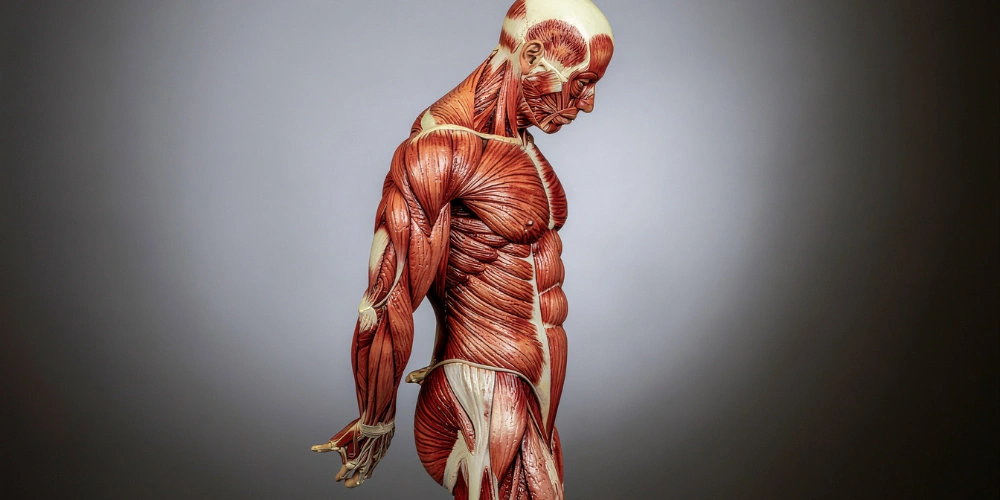
How can I naturally strengthen my body and muscles?

Maintaining a strong and healthy body is important for living a long and active life. Many people want to build muscles naturally without relying on supplements or extreme diets. Strengthening your body improves your energy, balance, and overall health. Regular exercise and proper nutrition are key to achieving this goal. Simple daily habits can make a big difference over time. You don’t need a gym to start; home exercises work too. Natural methods focus on whole foods, movement, and recovery. Strength training is not just for young adults; it benefits all ages. Understanding your body’s needs helps prevent injuries. This guide will show safe, natural ways to strengthen your muscles and body effectively.
How can I naturally strengthen my body and muscles?
Building strength naturally involves combining exercise, nutrition, and lifestyle choices. It is about consistency, proper technique, and fueling your body with the right foods. Natural methods avoid artificial supplements and focus on long-term health benefits. You can achieve noticeable improvements in strength with dedication and patience.
1. Resistance Training at Home
Resistance training is one of the most effective ways to build muscles without chemicals. You can use your body weight, resistance bands, or simple weights. Exercises like push-ups, squats, and lunges target major muscle groups. Start slowly and increase intensity gradually to avoid injuries. Consistency is key; doing these exercises 3-4 times per week gives noticeable results. Focus on proper form to maximize benefits. Combine different movements to engage all parts of your body. Stretch before and after workouts to prevent soreness. Monitor progress by increasing repetitions or resistance over time. Rest days are as important as workout days to allow muscle recovery. Resistance training also boosts metabolism and improves bone health. Hydration is crucial; drink water before, during, and after workouts. Nutrition supports muscle growth, so pair exercises with protein-rich meals. Sleep helps repair muscles and improves overall strength. Gradually, your body will adapt to stronger movements. Incorporate fun activities like climbing stairs or carrying groceries to add natural resistance. Avoid overtraining; it can cause injuries and setbacks. A well-structured home routine can replace gym workouts for beginners. Track your exercises to stay motivated and see your progress.
2. Eat Nutrient-Rich Foods
Nutrition is the fuel that allows your muscles to grow naturally. Proteins, healthy fats, and complex carbohydrates are essential. Lean meats, beans, nuts, and dairy products provide the building blocks for muscles. Include colorful fruits and vegetables to supply vitamins and minerals. Hydration supports digestion and muscle function. Avoid processed foods with excessive sugar or unhealthy fats. Eat small, balanced meals every 3-4 hours to maintain energy. Protein shakes made from natural ingredients like milk or plant-based proteins can help. Whole grains provide long-lasting energy for workouts. Healthy fats from avocados, olive oil, and fish improve hormone balance. Calcium and vitamin D strengthen bones along with muscles. Magnesium supports muscle relaxation and prevents cramps. Iron-rich foods help transport oxygen to muscles for better performance. Plan meals around your activity level to prevent fatigue. Fiber from fruits and vegetables aids digestion and overall health. Limit alcohol as it can affect muscle growth. Cooking at home helps control ingredients and nutrients. Avoid skipping meals; consistent nutrition is key for strength. Supplements should only be used if necessary and approved by a healthcare professional.
3. Prioritize Rest and Recovery
Muscles grow and repair during rest, not during exercise. Sleep 7-9 hours per night to support recovery. Short naps can help reduce fatigue after intense workouts. Avoid overtraining; excessive exercise can weaken muscles. Stretching and yoga improve flexibility and reduce the risk of injury. Foam rolling or self-massage helps relieve muscle tension. Hydrate consistently to aid recovery and prevent cramps. Active recovery, like light walking or swimming, keeps muscles engaged without strain. Reduce stress, as high cortisol levels can impair muscle growth. Listen to your body and pause if you feel pain. Track your rest patterns to maintain balance between work and recovery. Rotate muscle groups during workouts to allow recovery for specific areas. Incorporate rest days into weekly routines for long-term sustainability. Warm baths or ice therapy can relieve soreness after heavy training. Avoid stimulants close to bedtime to improve sleep quality. Meditation can enhance mental focus and reduce fatigue. Proper recovery prevents injuries and improves strength gains. Consistency in rest patterns is as important as exercise frequency.
4. Maintain an Active Lifestyle
Strength is not only built in structured workouts; daily movement matters too. Take the stairs instead of elevators. Walk or cycle instead of driving short distances. Gardening, cleaning, or carrying groceries can add functional strength. Stand and stretch frequently if you have a desk job. Join recreational sports or dance classes for fun and strength. Active hobbies improve coordination and endurance. Avoid prolonged sitting; it weakens muscles over time. Carrying moderate weights during daily tasks can increase strength naturally. Use posture-friendly techniques during lifting or bending. Track daily steps or activity to stay motivated. Outdoor activities like hiking or swimming build stamina and muscle tone. Social exercise groups provide motivation and accountability. Simple changes like stretching in the morning improve mobility. Limit screen time to encourage physical activity. Consistency in daily movement complements structured exercise. Encourage family and friends to join for added fun and motivation. Over time, active habits build strength, flexibility, and endurance.
Frequently Asked Questions
Building muscles naturally raises many questions about effectiveness and safety.
Q1: How long does it take to see results from natural strength training?
A1: Most people notice improvements within 4-8 weeks if they train consistently. Muscle growth depends on exercise intensity, nutrition, and rest. Beginners may see faster changes due to the body adapting to new movements. Patience and gradual progress are key for sustainable results.
Q2: Can I build muscle without going to the gym?
A2: Yes, home workouts using body weight, resistance bands, or small weights can build significant strength. Combining proper nutrition, daily activity, and rest ensures effective muscle growth. Many people achieve results without expensive gym equipment when following a structured plan.
Conclusion
Naturally strengthening your body requires a balance of exercise, nutrition, and rest. Resistance training, even at home, is essential for building muscle. Eating nutrient-rich foods fuels growth and recovery. Prioritizing sleep and recovery prevents injuries and supports strength. Staying active in daily life enhances endurance and flexibility. Avoid shortcuts like extreme diets or unverified supplements. Consistency is the key to long-term results. By following these steps, anyone can build a stronger, healthier body naturally.